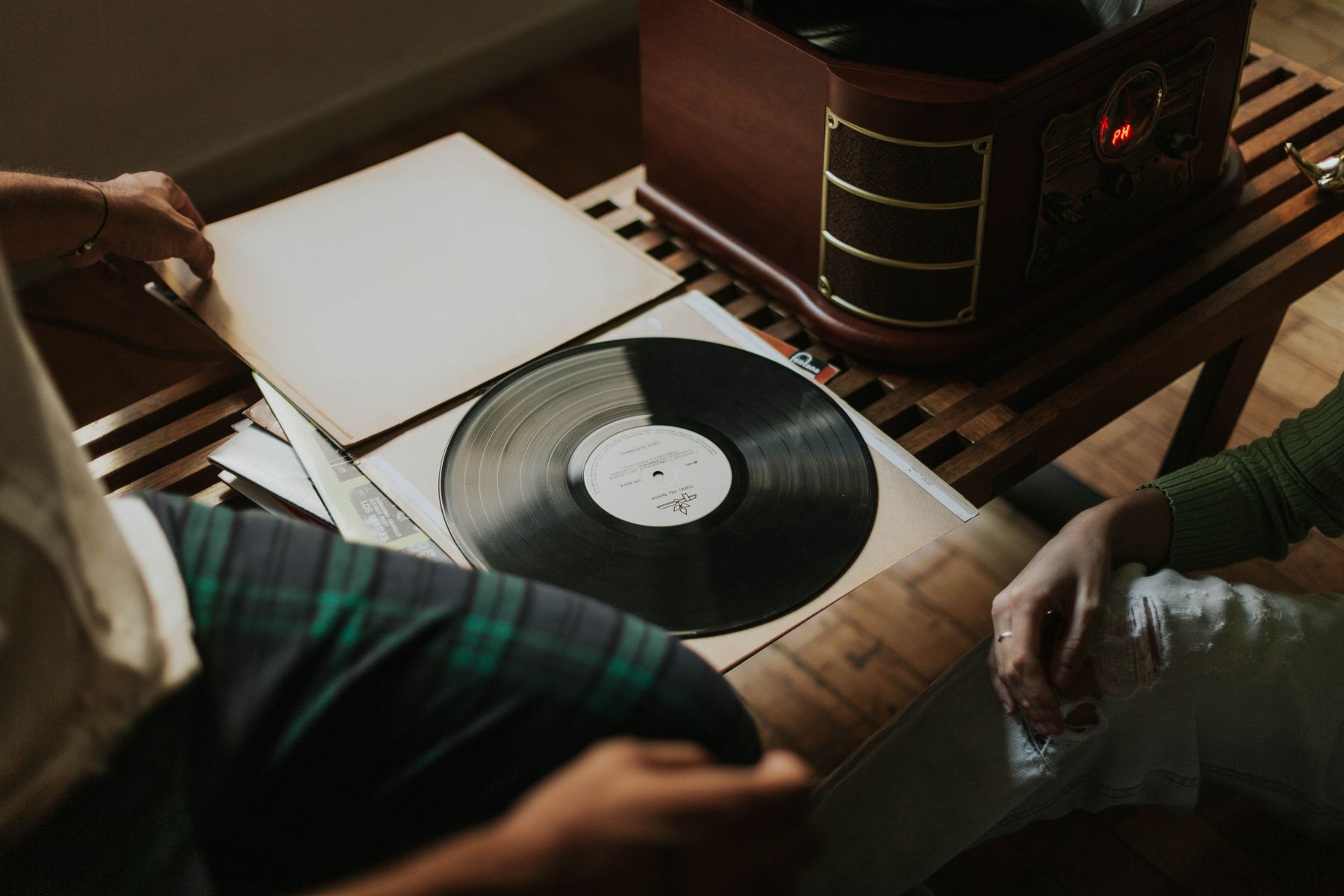
A first listen comes down to a few simple questions: does the record deserve a second play, and would you like to hear it live? The notes below are the method. Two recent albums show how it works without standing in for a full review. Those reviews are on the album page.
Voice, then everyone else
Play the record once without stopping. On that pass, follow only the voice. Where does it sit against the guitar? Does it stay intimate when the arrangement grows, or does it get covered? On Tamino’s Every Dawn’s a Mountain, the opener stays close to one guitar, and later songs let the voice climb without losing the lyric. That contrast is the thing to notice, not a score.
On the second pass, ignore the singer and name the other players. Which instrument takes the song when the guitar drops out? On Everybody Knows, by The Bony King of Nowhere, piano often does that job, with guitar, bass, and drums filling specific gaps rather than a wall of sound. If you can’t name anyone from the credits after two plays, the record may have set a mood without really sticking, and that’s fine too.
Story or weather
Lyrics in this music tend to do one of two things. They tell you what happened, or they build weather around a feeling. Both are legitimate. It helps to know which kind of song you’re listening to. “Dissolve,” on Tamino’s album, holds a set of images until the arrangement has to expand. Songs on Everybody Knows keep returning to ordinary social habits. Knowing that difference helps you pick the next record, and it stops you from filing every quiet album under the same word.
Would you stand in the room
The last question is practical. Do you want this in a small hall, a larger club, or not in public at all? A hushed guitar song can die in a loud standing room. A band record can sound thin in a room with no low end. If the answer is yes, look up a real date. If the answer is no, you still got what you needed from the listen. The page on discovering indie-folk artists is about what to do with the names that survive this test.
Keep a note of four lines at most: voice, other instrument, story or weather, and room. That is enough to remember the record next month. A longer diary usually turns into plot summary. If you want the habit that leads into this listen, use how to start finding indie-folk artists.